Why Vacant Homes Are More Vulnerable in a Hurricane
A vacation home sitting empty during a major storm is not just at risk from wind and water — it's at risk from everything that happens after the storm that goes unnoticed. A roof lifted at one corner, a window seal blown out, a garage door that buckled — these are manageable problems if someone catches them within 24 hours. Left for two weeks until your next visit, the same damage becomes a mold colony, a structural repair, and a six-figure insurance claim.
That compounding dynamic is what makes hurricane prep for a vacation home fundamentally different from prepping your primary residence. You won't be there to catch the small things. Every preparation decision you make before the storm needs to account for that absence.
Start Before the Season, Not Before the Storm
The single biggest mistake vacation homeowners make is treating hurricane prep as a last-minute task. By the time a named storm is 72 hours out, contractors are booked, hardware stores are stripped, and your home watch provider is already executing a full inspection schedule across dozens of properties. Do the heavy lifting in April or May, before the June 1 season start.
Structural and Physical Hardening
Walk your property — or have your home watch provider walk it — with fresh eyes each spring and identify anything a storm could use against you.
- Roof condition: Missing or lifted shingles, deteriorating flashing around chimneys and vents, and compromised ridge caps are all entry points for wind-driven rain. Have a licensed roofer inspect annually if your home is in a coastal or high-wind zone.
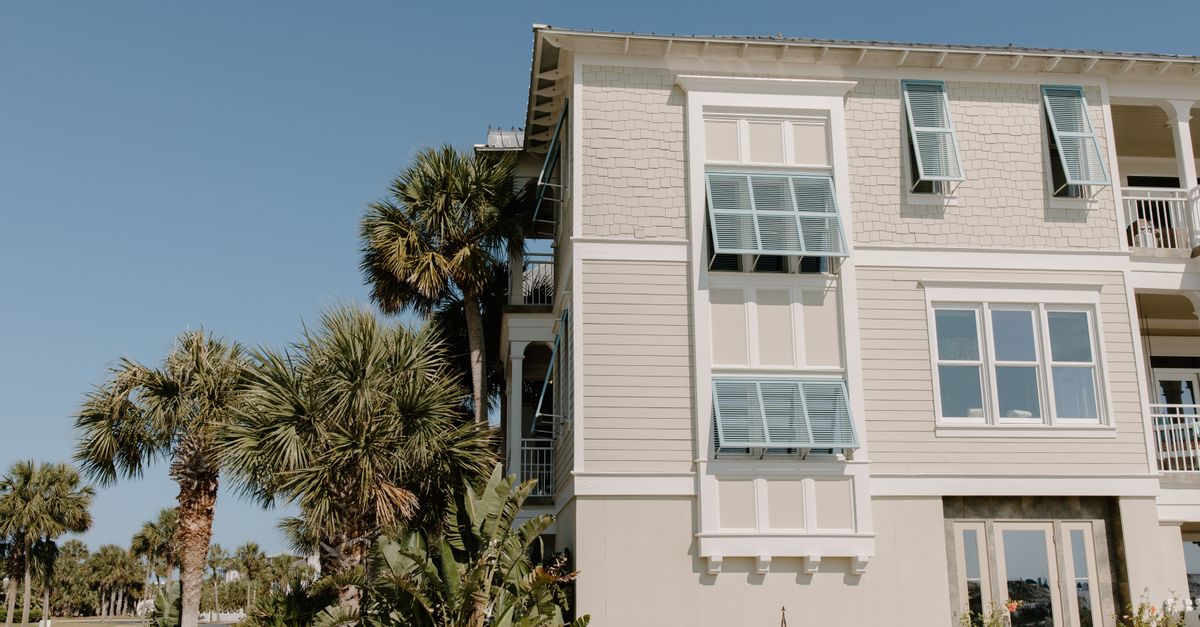
- Shutters and impact windows: If your home doesn't have permanent storm shutters or impact-rated glass, this is worth a serious conversation with a contractor. Accordion shutters and roll-down systems can be deployed quickly by a home watch provider or property manager when a storm approaches. Plywood is a backup, not a plan.
- Garage doors: Garage doors are one of the most common failure points in hurricanes. A door rated for high-wind loads or braced with a retrofit kit significantly reduces the risk of the door buckling inward and allowing wind pressure to lift the roof.
- Entry doors: Deadbolts with reinforced strike plates and door frames matter. A standard hollow-core door with a standard strike plate can fail under surprisingly modest wind pressure.
- Trees and landscaping: Palms are generally more wind-tolerant than broad-canopy trees, but any dead limbs or trees leaning toward the structure should be removed before season. Keep records of any professional tree work done.
Utilities and Systems
- Generator: A permanently installed standby generator with automatic transfer switch is one of the best long-term investments for a vacation home in a hurricane-prone area. It keeps sump pumps running, maintains minimal HVAC to control humidity, and powers your security and leak detection systems after the storm. Portable generators require someone on-site to operate them safely — a complication when you're not there.
- Sump pump and backup: If your property has a basement or low-lying areas prone to flooding, confirm your sump pump is working and consider a battery backup unit. Many homeowners in flood-prone areas also install a water-powered backup pump.
- Water shutoff: Know where your main water shutoff is and make sure your home watch provider knows too. If storm surge or flooding is forecast, shutting off water at the meter eliminates one category of post-storm damage entirely.
- Gas shutoff: Similarly, know where your gas shutoff is and when it's appropriate to use it. Your home watch provider and local utility can advise on protocol.
Creating a Pre-Storm Checklist Your Home Watch Provider Can Execute
If you have a professional home watch service, one of the most valuable things you can do before hurricane season is sit down with them — even just by phone or email — and build a written pre-storm action plan specific to your property. This is not something to improvise when a storm is 48 hours out.
A solid pre-storm checklist for an unoccupied vacation home typically includes:
- Closing and latching all storm shutters or deploying accordion shutters
- Bringing in or securing all outdoor furniture, planters, umbrellas, grills, and decorative items — anything that becomes a projectile in high wind
- Confirming all windows and doors are locked and sealed
- Checking that the garage door is secured or braced
- Turning off non-essential breakers and confirming the main panel is accessible
- Shutting off the water main if flooding is in the forecast
- Documenting the pre-storm condition of the property with photos and video
- Confirming generator fuel level and test-running the unit
- Noting the location of your insurance policy documents and claim contact numbers
Give your home watch provider written authorization to execute this checklist without waiting for your approval when a watch or warning is issued for your area. A storm's track can shift quickly, and a 12-hour window can evaporate fast.
Insurance: Understand Your Coverage Before You Need It
Vacation and seasonal homes often carry different insurance terms than primary residences — and many homeowners discover the gaps only after a loss. Review your policy carefully each spring, ideally with your insurance agent, and ask specific questions.
- Named-storm deductibles: Many coastal policies include a separate, higher deductible that applies specifically to hurricane or named-storm damage. This deductible is often expressed as a percentage of the insured value rather than a flat dollar amount — on a $500,000 home, a 5% named-storm deductible means a $25,000 out-of-pocket before coverage kicks in.
- Vacancy clauses: Some homeowner policies include provisions that limit or void coverage if the home has been vacant beyond a certain period — often 30 to 60 days. If your vacation home sits empty for extended stretches, confirm with your insurer how your policy handles vacancy and whether a home watch service affects that status. Requirements vary by insurer and policy, so get answers in writing.
- Flood insurance: Standard homeowner policies generally do not cover flood damage. If your property is in a coastal or flood-prone area, a separate flood insurance policy through the NFIP or a private carrier is worth serious consideration. Confirm coverage specifics and waiting periods with your insurer.
- Documenting your contents: Maintain an updated home inventory — photos, video, and a written list of significant items — stored somewhere accessible off-site or in the cloud. This simplifies the claims process considerably.
Note: Insurance rules, deductibles, and vacancy clause terms vary significantly by carrier, policy, and state. Always confirm your specific coverage details with your insurance agent or broker before hurricane season begins.
Post-Storm: The First 72 Hours Matter Most
Once a storm passes, the clock starts immediately on post-storm damage. Water that enters through a compromised roof or window does the most damage in the first 48 to 72 hours — especially in the heat and humidity that typically follows a Gulf or Atlantic storm. Mold can begin developing within 24 to 48 hours under the right conditions.
Your home watch provider should conduct a post-storm inspection as soon as it is safe and legally permissible to access the area. That inspection should include:
- Exterior walk of the full structure — roof line, soffits, fascia, foundation, exterior walls
- Interior check for water intrusion at windows, doors, ceilings, and around any roof penetrations
- Checking the HVAC system, water heater, and electrical panel for visible damage
- Photographing and documenting all observed damage for your insurance claim
- Contacting you immediately with findings and, if significant damage is found, engaging emergency mitigation services with your authorization
Having a pre-authorized list of vetted contractors — a roofer, a water mitigation company, an electrician — means your home watch provider can move on your behalf without delay. In the aftermath of a major storm, remediation companies are overloaded within hours. Properties where mitigation starts quickly consistently fare better in both actual damage outcomes and in the insurance claims process.
The Bigger Picture: Making This an Annual Habit
Hurricane preparedness for a vacation home isn't a one-time project — it's an annual cycle. Structures age, landscapes change, insurance policies renew with new terms, and storm seasons vary in intensity. A quick spring review — ideally a coordinated walkthrough with your home watch provider, a glance at your insurance policy with your agent, and a test of your generator and shutters — is a modest investment of time that can meaningfully reduce your exposure every single season.
The homeowners who fare best after hurricanes aren't necessarily the ones with the newest homes or the most expensive finishes. They're the ones who prepared deliberately, had eyes on the property within hours of the storm passing, and moved fast when action was needed.
Related reading: Snowbird Home Watch: The Complete Guide to Protecting Your Properties in Both States.
Find a home watch pro you can trust
Browse the HomeWatchOS directory and look for the Verified Member badge — verified companies are screened and stand out from basic listings. Find a verified home watch pro near you →